Today, 11 February, marks the International Day of Women and Girls in Science, a date established by the United Nations to recognize women’s contributions to the advancement of scientific knowledge and to promote their full, equal, and sustainable participation in science.
Despite the progress achieved, significant challenges persist, continuing to shape women’s scientific trajectories across different fields and at various stages of their careers.
Researching from Lived Realities
CIES has a longstanding tradition of research focusing on the representation of women, not only in science but also across other professions and spheres of society.
In recent years, researchers at CIES-Iscte have been involved in projects that continue to address, in innovative ways, issues such as inequalities in academic careers, the underrepresentation of women in political and decision-making positions, the social inclusion of young people, and the challenges faced by migrant women.
The project SPACE4US – A model of blended-experiential learning for the empowerment of young women exemplifies this commitment by exploring dynamics of youth participation and the empowerment of vulnerable girls, thereby contributing to the development of more inclusive responses grounded in lived realities.
In the field of science and academia, the project SAGE19 – Scientific and Academic Gender (In)equality during COVID-19 provided an in-depth reflection on the impacts of the pandemic on science and academia, demonstrating how crisis contexts may exacerbate pre-existing inequalities, particularly in the careers of women researchers.
Reflection on women’s participation in the public sphere is likewise central to the project The Quality of Women’s Political Representation, which goes beyond a quantitative analysis of women’s presence in politics by developing a comparative empirical study across five European countries. The project thus examines the conditions, constraints, and effective impact of women’s participation in decision-making processes.
In turn, the project MOCEP – Migrant Women: Cultural Orientation and Portuguese Language Teaching highlights the role of research in promoting inclusion and social cohesion, valuing scientific knowledge as a tool to address the specific challenges faced by migrant women in processes of linguistic, cultural, and social integration.
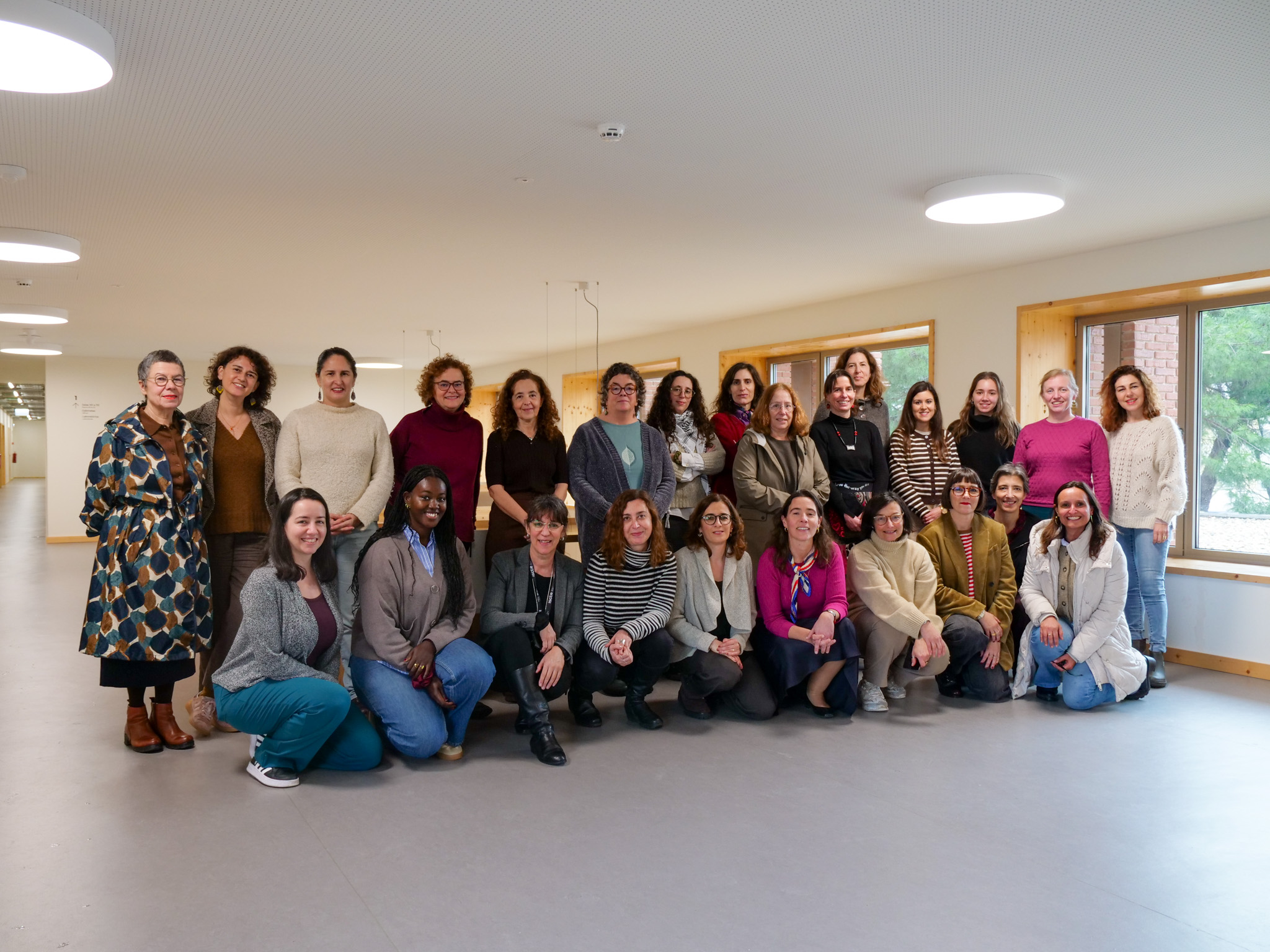
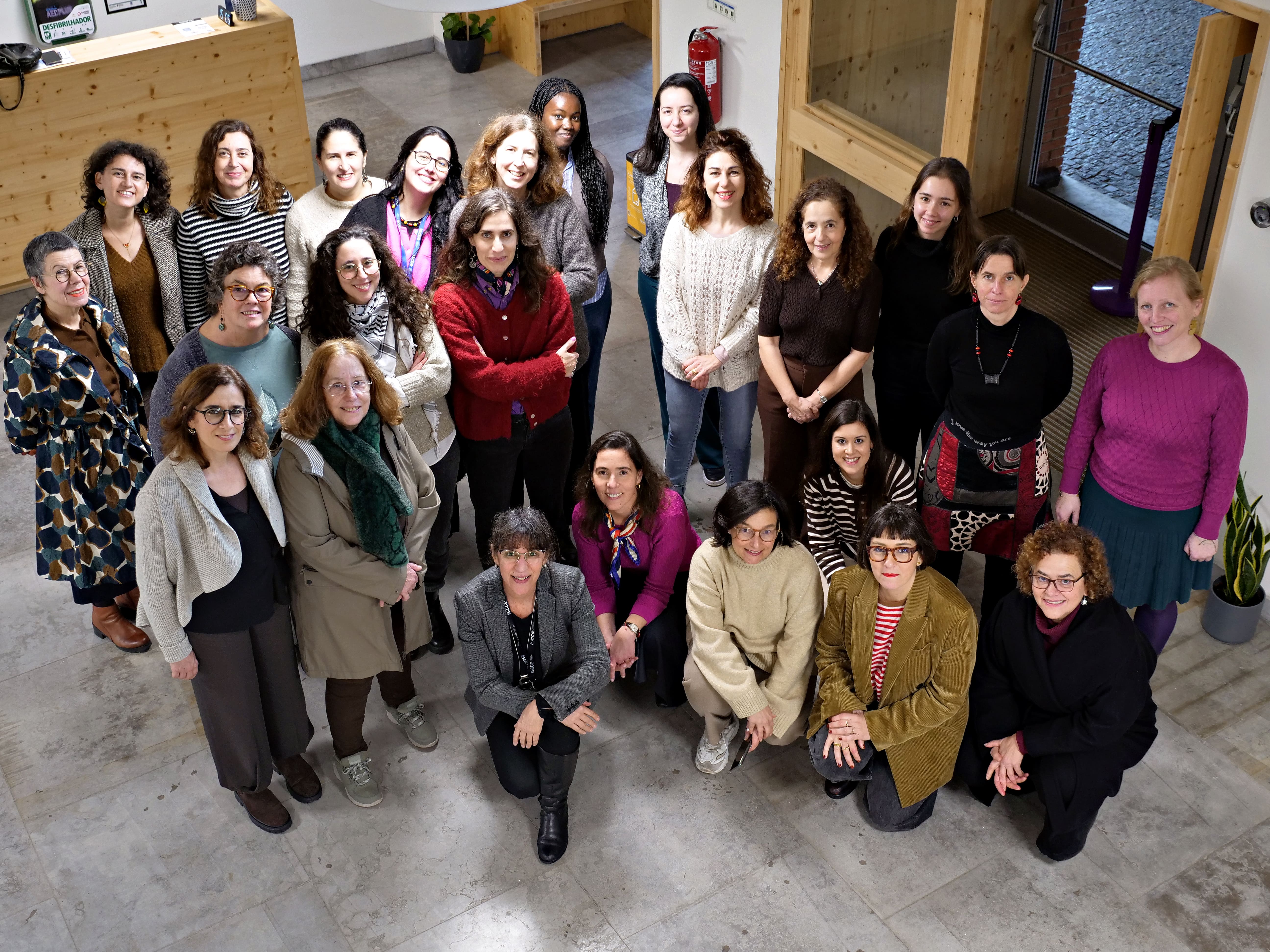
Marking the International Day of Women and Girls in Science also entails recognizing the work carried out by the 208 women researchers at CIES-Iscte who, at different stages of their careers and working across diverse thematic areas, have contributed to expanding the frontiers of knowledge and opening pathways for future generations.
At a time when social challenges demand increasingly informed, inclusive, and interdisciplinary responses, valuing women’s contributions to science is not merely a matter of justice, but an essential condition for fostering more robust, plural, and socially relevant research.